Introduction
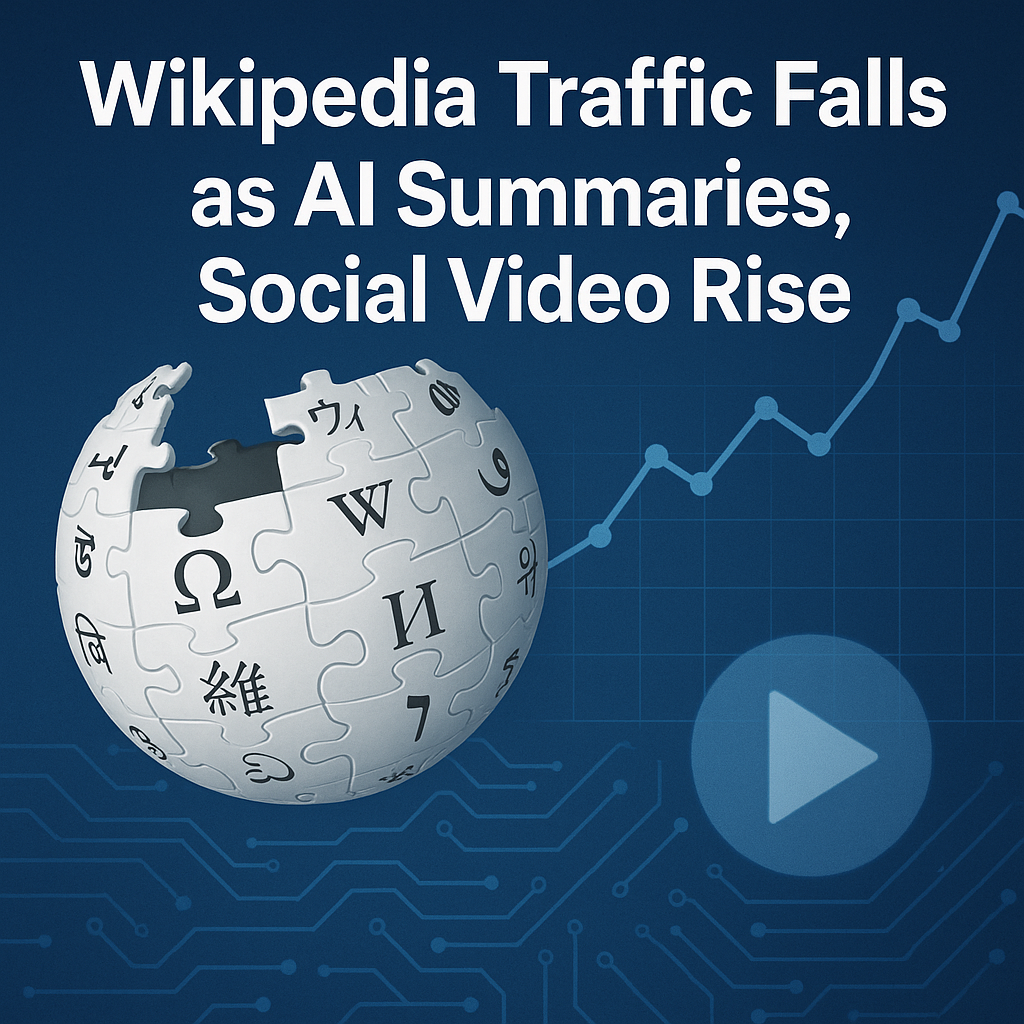
Wikipedia and the broader Wikimedia ecosystem are reporting a noticeable drop in pageviews, a trend the foundation attributes to the rise of AI-powered search summaries and short-form social video. As major search engines and social platforms increasingly surface synthesized answers and snackable video clips, traffic that once flowed to open knowledge hubs is being diverted. The shift has implications for the business of knowledge, AI model training, startup opportunities and policy debates over attribution, funding and regulation.
How AI summaries and social video are rerouting attention
Search engines now often present condensed, AI-generated responses directly on results pages. These summaries can answer a user query without requiring a click to the source, reducing referral traffic to sites such as Wikipedia. At the same time, short-form social video platforms have matured into discovery tools for millions, favoring fast, visual explanations over deep reading. Together, these behaviors change the discovery funnel for information: users get answers where they already are rather than visiting the original articles.
Wikimedia has publicly warned that reduced visibility could shrink its volunteer base, weaken editor engagement and constrict the pipeline that converts readers into donors. The foundation depends heavily on reach to maintain community contributions and ongoing fundraising campaigns, making traffic a core operational metric.
Tech, startups and funding dynamics
The rise of AI search has spurred both incumbents and startups to prioritize models that synthesize content. Venture capital continues to pour into companies that offer retrieval-augmented generation, citation-aware summarization and source-tracking tools. That inflow accelerates development of systems designed to answer questions directly, a business model that can be at odds with the referral-driven model of open knowledge platforms.
At the same time, new startups are emerging to address the downstream problems this creates: attribution layers, decentralized knowledge graphs, and micropayment systems that aim to compensate content creators. Some projects explore blockchain-based provenance to record and reward contributions to knowledge resources. While blockchain solutions remain experimental and face scalability and adoption hurdles, they are attracting interest from funds interested in infrastructure that can restore value flows to original contributors.
Policy and geopolitical stakes
There is growing political scrutiny over how AI systems reuse and display public content. Regulators in multiple jurisdictions are debating rules that could require clearer attribution, transparency about training data, and fair compensation for creators. The EU’s regulatory approach and ongoing U.S. discussions about AI governance could shape whether search and AI firms must alter how they present synthesized answers or pay for the content they ingest.
Geopolitically, the market for information tools is fragmented. Different regulatory regimes, dominant domestic platforms, and national AI strategies influence whether local-language Wikipedias and other public resources will see the same declines or different patterns of engagement.
What this means for Wikimedia and the knowledge economy
For Wikimedia, the immediate challenge is preserving editor engagement and donor conversions in a landscape where fewer readers reach article pages. The foundation has called for more transparency from AI developers and better attribution practices to ensure the long-term sustainability of public knowledge. Strategic responses could include partnerships with AI providers, technical work to improve discoverability on new platforms, and exploring alternative funding or compensation models.
For startups and investors, the disruption opens product opportunities in citation-aware search, content provenance, and micropayments—areas where blockchain experimentation intersects with real business needs. For policymakers, the situation crystallizes a choice: allow synthesized answers to dominate discovery without stronger transparency rules, or enforce standards that preserve the visibility and value of original sources.
Conclusion
The reported decline in Wikipedia traffic is a bellwether for how AI and social video are reshaping information flows. The trend raises technical, economic and regulatory questions about attribution, compensation and the future of open knowledge. How platforms, startups, funders and governments respond will determine whether the internet’s commons adapts or erodes as synthesis-first experiences proliferate.
About the Author