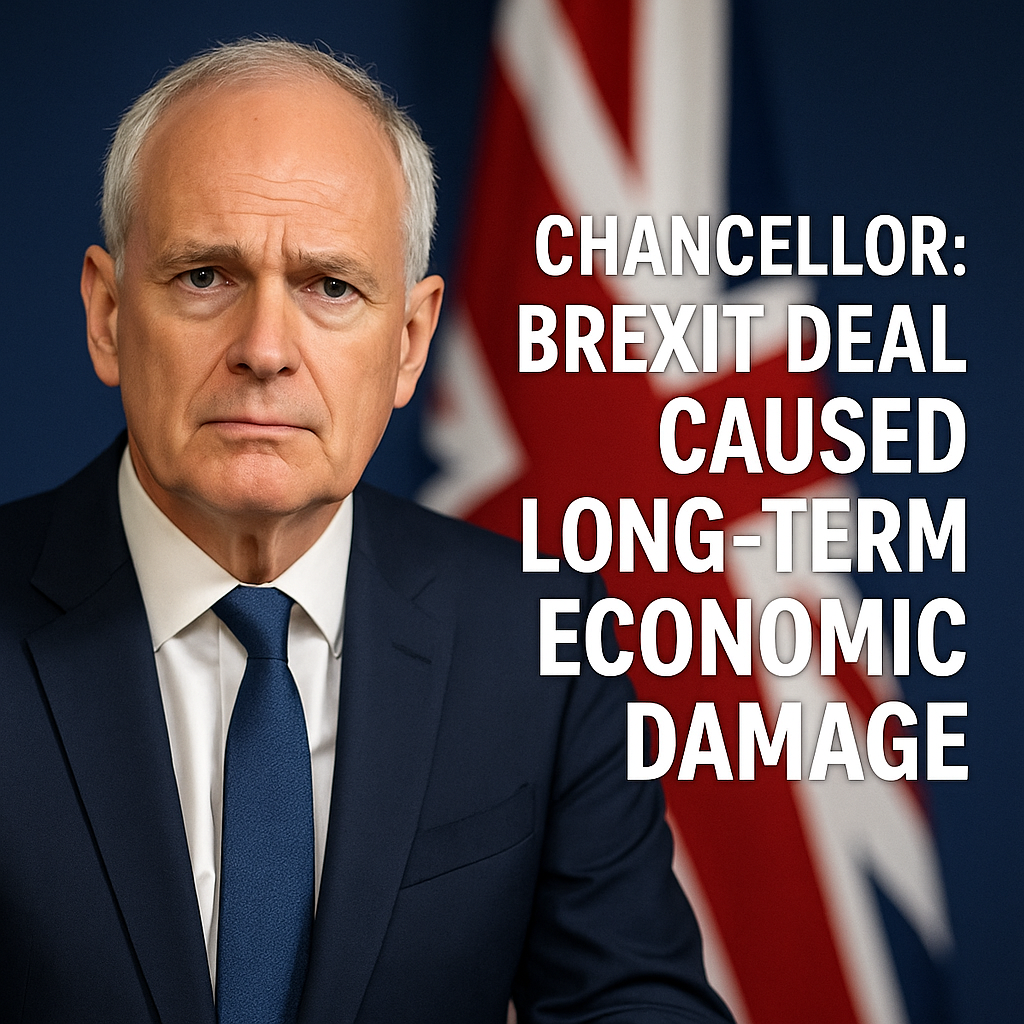
In a stark assessment of the UK’s post‑Brexit economic trajectory, the Chancellor has said the Brexit deal has caused long‑term damage to the economy. The comments have reignited debate among policymakers, business leaders and investors about how the United Kingdom can restore competitiveness while nurturing high‑growth sectors such as technology, artificial intelligence and blockchain.
Economists and official forecasters have for years warned that leaving the EU would leave a lasting imprint on trade, investment and productivity. The Chancellor’s remarks echo those assessments and place new urgency on policies to counteract structural headwinds: reduced market access, increased friction for services and supply‑chain disruption. For the technology sector, the fallout has been complex — both constraining and redistributing opportunity.
Impact on tech, AI and blockchain
UK tech ecosystems have remained resilient but have not been immune. Post‑Brexit regulatory divergence, changes to talent mobility and altered trade dynamics have increased costs for startups scaling across Europe. Venture capital flows to UK tech cooled in the years after the referendum, even as global interest in AI accelerated. Investors increasingly gravitated to AI and machine‑learning startups, creating pockets of strength in London and Cambridge but also intensifying competition for capital.
Artificial intelligence is a strategic area where the UK seeks to compete globally. The government has promoted a pro‑innovation regulatory stance, joined international AI safety conversations and launched initiatives to attract talent and investment. Still, firms report that uncertainty around cross‑border data rules and talent visas can hinder rapid expansion to EU markets.
Blockchain and crypto firms face similar challenges. While the UK has sought to create a regulatory framework for crypto assets and stablecoins, regulatory uncertainty and the loss of passporting rights for financial services have pushed some startups and funds to consider EU hubs. At the same time, blockchain innovators focusing on enterprise use cases and Web3 infrastructure continue to secure funding, highlighting the sector’s bifurcated outlook.
Startups, funding and business response
Funding patterns have shifted: despite a broader slowdown in global venture activity following peak valuations, capital is concentrating in deep tech, AI and fintech. UK founders report longer fundraising cycles and more stringent due diligence, but late‑stage and strategic investors still back companies with clear paths to profitability and international markets.
In response to the Chancellor’s warning, business groups and accelerators are calling for targeted measures to shore up competitiveness. Proposals include streamlined visa rules for highly skilled workers, expanded R&D tax incentives, and bilateral agreements to reduce friction on professional services and data flows. Many in the startup community also seek clearer, faster rules for AI governance and digital assets to reduce regulatory drag.
Geopolitical context and next steps
Geopolitically, Brexit has compelled the UK to reconfigure trade and strategic ties, pivoting attention toward the Indo‑Pacific and bilateral deals outside the EU framework. That approach opens new markets, but rebuilding supply chains and financial linkages takes time and investment.
Looking ahead, the Chancellor’s diagnosis is likely to shape policy debates around industrial strategy and technology funding. Addressing long‑term damage will require coordinated action: stabilizing market access, boosting R&D and retraining workforces for AI‑driven industries, and ensuring regulatory clarity for emerging technologies such as blockchain. For investors and founders, the message is clear — the UK remains a major hub for innovation, but success will depend on policy responses that reduce friction and catalyze capital toward future‑facing sectors.
As stakeholders weigh the Chancellor’s comments, the immediate challenge is translating diagnosis into durable reforms that both repair the economic scarring of the past decade and secure the UK’s place in the global technology landscape.
About the Author