Who does the work, where and why it matters
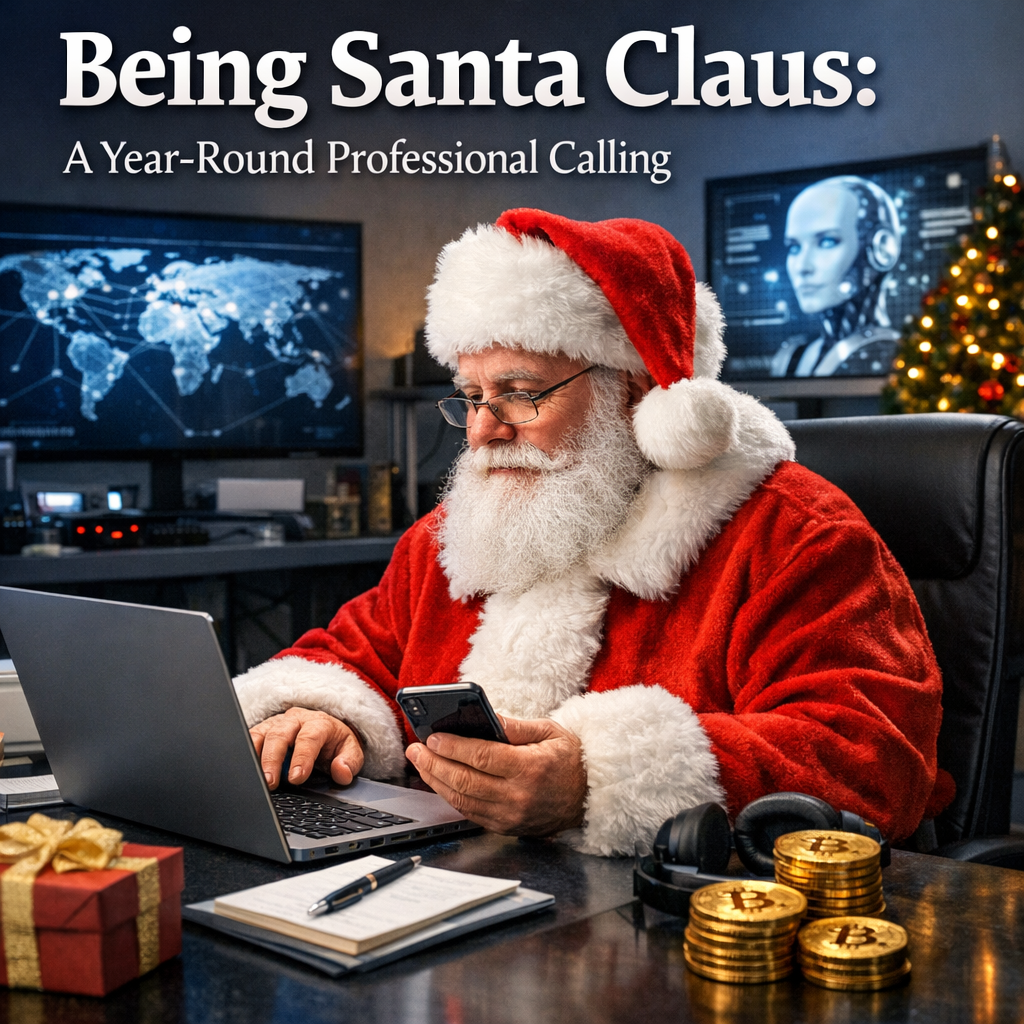
For many people, Santa Claus is a seasonal image delivered in a single December visit. For an increasing number of performers, however, being Santa is a year‑round vocation. Professional Santas work beyond mall hours and holiday parades: they train, audition, maintain brand relationships, and perform at corporate events, weddings and private appearances throughout the year. The position blends performance, child‑safety responsibilities, and small‑business management.
What the role entails and how it has evolved
The modern, commercial Santa has roots in 19th‑ and 20th‑century American advertising and retail. Haddon Sundblom’s Coca‑Cola paintings, beginning in 1931, cemented the rotund, grandfatherly image now widely recognized. Department stores such as Macy’s developed elaborate Santa programs and attractions like Santaland at Herald Square to draw shoppers, and those retail traditions helped professionalize the craft.
Today’s Santas must master showmanship and character integrity while managing practical considerations: costume and beard maintenance, audio and lighting for events, child‑safety best practices, and event contracting. Many professionals invest in training that covers improvised interaction with children, voice and diction, makeup and prosthetic application for augmented looks, and the logistics of running bookings and invoicing.
Year‑round income streams and business models
Seasonality is mitigated by diversified income. Professional Santas book corporate holiday parties, advertising campaigns, brand endorsements, greeting‑card photography, virtual visits, and private events. Event marketplaces such as GigSalad and Thumbtack list hundreds of Santas each year, turning what used to be local, word‑of‑mouth hiring into a national marketplace. Some Santas also operate related businesses—selling ornaments, running workshops, or offering holiday consulting to retailers.
Standards, safety and industry infrastructure
As the role professionalized, so did standards. Industry groups and informal networks emphasize background checks, child‑safeguarding policies, CPR and first‑aid training, and references for work with minors. Costume and rental houses provide standardized suits and beard systems; event producers increasingly require proof of insurance and clear contracts to manage liability. These measures reflect a broader shift in the live‑entertainment and family‑entertainment sectors toward compliance and risk management.
Expert perspectives and practitioner insights
Experienced Santas and trainers describe the craft as equal parts acting and community service. Industry veterans point out that the job demands an ability to read a room—from anxious toddlers to corporate executives—and to protect children’s wonder while navigating parental expectations and brand requirements. Observers in the holiday‑entertainment space also note that social media and virtual appearances have created new KPIs: response times for bookings, online reputation management, and curated digital content for marketing.
From an economic perspective, the role intersects with the gig economy and the events industry. Professionals who treat Santa work as a small business—maintaining websites, managing schedules with booking software, and buying liability insurance—tend to extend their earning season. For some, off‑season work in character development, product licensing, or holiday consultancy is essential to cash flow.
Challenges and cultural implications
The year‑round model raises questions about authenticity and commercialization. Retailers and brands seek Santas who can represent a consistent corporate image, and that has driven demand for background vetted, media‑savvy performers. At the same time, many Santas emphasize the intangible value of sustaining childhood wonder and local community traditions—work that resists pure commodification.
Conclusion: outlook and takeaways
Being Santa Claus today is less a single gig and more a professional identity requiring year‑round attention to craft, safety and business. For performers, the shift means new revenue avenues and higher expectations; for retailers and brands, it means predictable standards and greater liability controls. As cultural demand for live, family‑oriented experience continues, the professional Santa is likely to remain a visible, evolving part of the holiday ecosystem.
About the Author