Green shift: who, what, when and why
Dhaka — Bangladesh’s ready-made garment (RMG) industry, which provides roughly 84% of the country’s export earnings and employs about four million people, is accelerating a shift to cleaner production in 2024–25. Driven by a mix of buyer pressure, new financing and regulatory attention after safety and environmental scandals in the 2010s, manufacturers are investing in energy efficiency, renewable power, wastewater treatment and chemical management to reduce emissions and meet global brand standards.
Upgrades on the factory floor
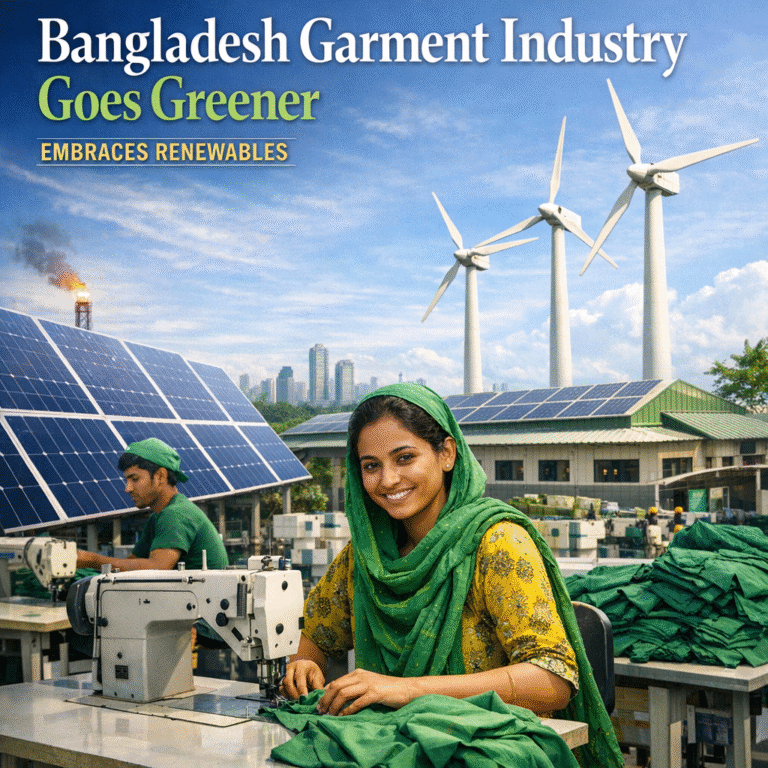
Suppliers in Dhaka, Gazipur and Narayanganj report installing rooftop solar arrays, switching to biomass or hybrid boilers, retrofitting LED lighting and upgrading effluent treatment plants (ETPs). More factories are participating in product- and process-level assessments using tools such as the Higg Facility Environmental Module (Higg FEM) and pursuing certifications like Oeko‑Tex and GOTS for specific product lines. Buyers from Europe and North America — including H&M, Inditex, Primark and PVH — have tightened compliance requirements over the past five years, pushing suppliers to demonstrate reductions in scope 1 and scope 2 emissions and better control of water pollution.
Technology and circularity
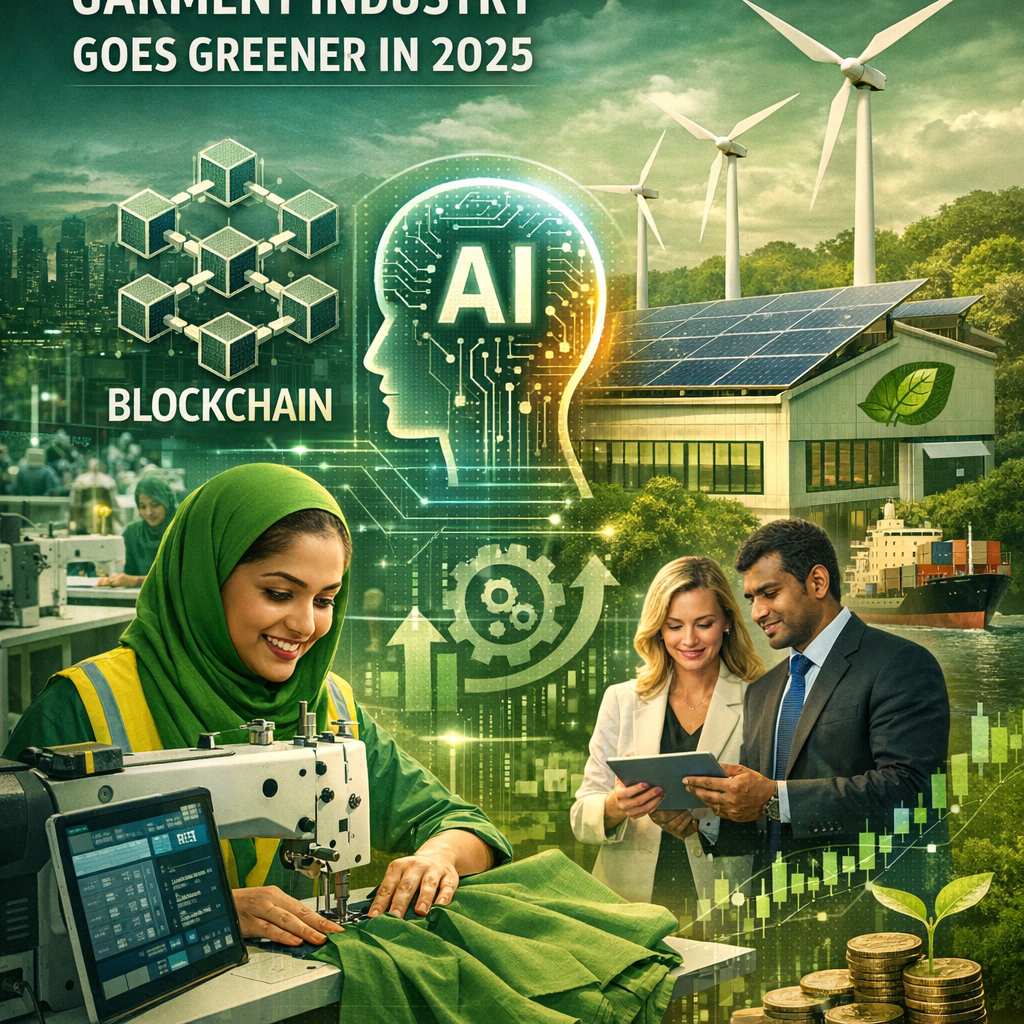
Beyond energy and wastewater, circularity initiatives are growing. Several large manufacturers now offer programs for recycled polyester and blended-fiber recycling, and some factories are piloting waterless dyeing and low-impact finishing. Brands increasingly request traceability data and proof of chemical management systems to meet their own net-zero timelines and regulatory demands in markets such as the EU.
Financing and policy support
Upgrading factories is capital-intensive, and suppliers have leaned on a mix of sources. Development finance institutions, export-credit guarantees and buyer-funded sustainability programs have played a role in de-risking investments. Local banks in Bangladesh have started green-loan products targeted at the textile sector, while international organizations have offered technical assistance on energy audits and effluent upgrades. At the regulatory level, government initiatives that encourage renewable energy deployment and stricter enforcement of environmental standards have also nudged factories toward greener practices.
Background and context
The industry’s green transition follows a decade of reforms that began in earnest after the 2013 Rana Plaza collapse, which focused first on building and fire safety. Environmental concerns have since risen on the agenda as global brands and consumers demand sustainability credentials. Bangladesh has long relied on inexpensive energy and water-intensive processes; shifting that model requires both capital and know-how. Industry groups and trade associations continue to balance competitiveness with compliance as labor costs rise and global markets diversify.
Expert perspectives
“Brands are no longer satisfied with paper commitments,” said a sustainability director at a large Dhaka supplier who asked not to be named. “They want measured reductions, verifiable data, and traceable inputs. That has forced us to rethink energy sourcing and chemical management.”
An industry association spokesperson noted that suppliers are motivated by commercial survival: “Meeting buyers’ environmental requirements is now part of doing business. Those who invest gain preferential access to orders and longer-term contracts.”
Independent analysts caution the transition is uneven. Some smaller factories face liquidity constraints and lack technical capacity to implement ETPs or renewable systems. “The challenge now is scaling the progress from larger, export-oriented firms to the smaller units that still make up a large share of production,” said an analyst at a Dhaka-based think tank.
Implications and outlook
The greening of Bangladesh’s garment sector has multiple implications. For workers, cleaner factories can mean improved working conditions and reduced exposure to hazardous effluents, although there are concerns about whether the cost of upgrades will be passed down through contractions in employment or lower margins for small players. For global supply chains, greater sustainability performance from Bangladesh helps brands meet regulatory requirements abroad and reduces reputational risk. For the country, moving up the value chain through sustainable manufacturing could bolster market access and long-term export resilience.
Looking ahead to 2026 and beyond, industry observers expect further diffusion of energy-efficiency measures, wider adoption of renewable energy, and stronger governance around chemical and water management — provided financing options and technical support keep pace. The transition remains a work in progress, but for many stakeholders it is now an economic imperative as well as an environmental one.
About the Author