The controversy in brief: who, what, when, where, why
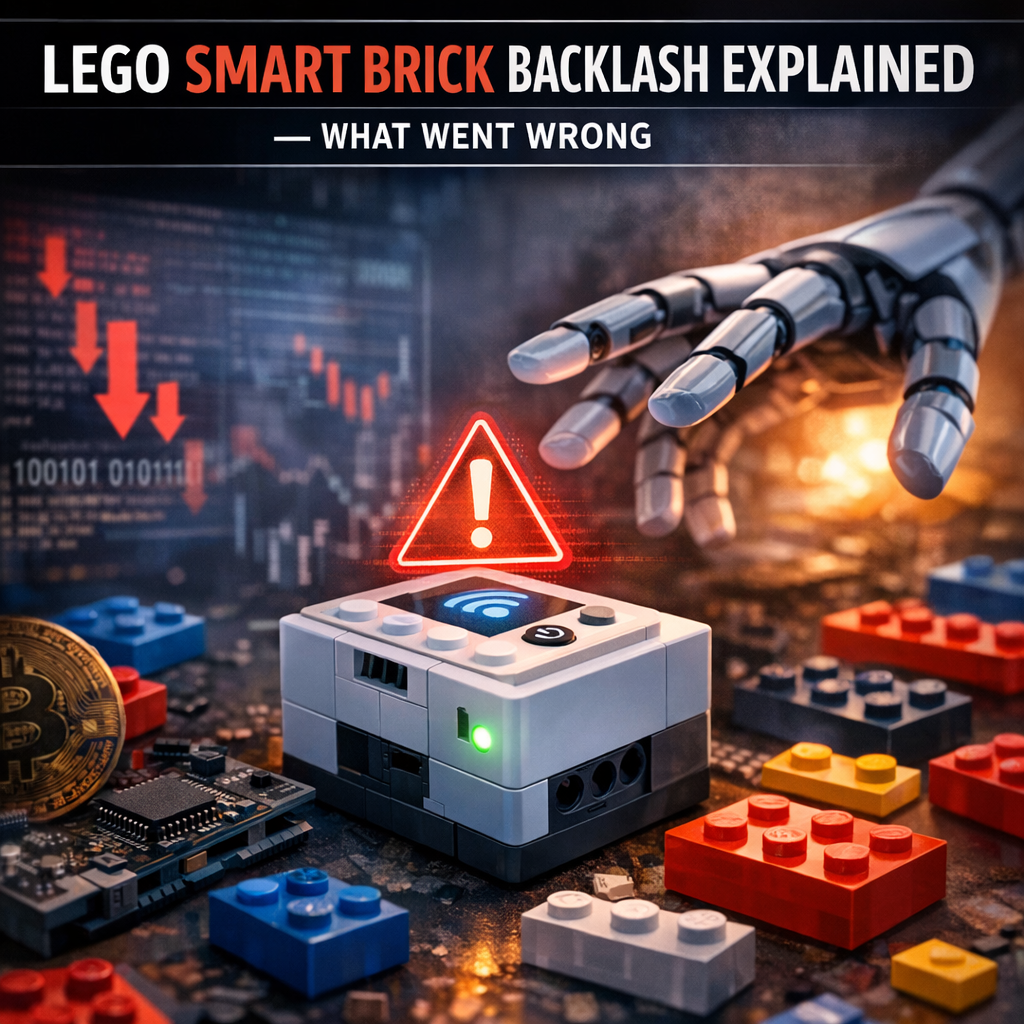
Creative Bloq and other outlets have spotlighted strong community pushback since the reveal of the Lego Smart Brick, a new programmable power module from the LEGO Group intended to modernize motor and sensor control across recent sets. The reaction has unfolded online across AFOL (Adult Fans of Lego) forums, Reddit and social channels in the days and weeks after the product announcement, driven by concerns about closed software, compatibility, price and repairability.
What the Smart Brick is and why it matters
The Smart Brick is LEGO’s latest effort to provide an integrated electronics backbone for builds: a hub that handles power distribution, motor control and communication with apps and other modules. It joins a lineage of LEGO programmable hardware including Mindstorms, Powered Up and the Spike ecosystem. For LEGO, a refined hub can improve play experiences, enable richer app integration and create new retail opportunities. For enthusiasts and educators, the technical details — connectivity, API access and hardware openness — determine whether the device is a platform or a closed appliance.
Key technical and commercial flashpoints
Based on reporting and community discussion, the backlash centers on several recurring issues:
- Closed ecosystem and developer access: Builders expect APIs, firmware access or an SDK so hobbyists and educators can extend hardware. A tightly controlled platform limits hacks, custom firmware and third-party peripherals.
- Compatibility and fragmentation: Enthusiasts want backward compatibility with existing Powered Up and Mindstorms components. Unclear compatibility creates the risk of orphaning older hardware.
- Price and positioning: When hub hardware is expensive relative to competing robotics kits and microcontroller boards (for example, Raspberry Pi or Arduino-based systems), hobbyists question value.
- Repairability and sustainability: Right-to-repair advocates and AFOLs often object to sealed electronics that require proprietary tools or replacement rather than repair.
- Privacy and security: Networked toys and hubs raise concerns about data collection, firmware updates and long-term maintenance.
Background: Lego’s history with programmable bricks
LEGO has oscillated between open and closed approaches to electronics. Mindstorms, introduced in the late 1990s, was prized by tinkerers for its LEGO/ programmable marriage. Later efforts like Powered Up prioritized ease of use for consumers and app-driven experiences. Educators and hobbyists have repeatedly requested stable, documented interfaces and long-term firmware support. The Smart Brick sits at that tension point between consumer-friendly design and hobbyist expectations.
Community and industry reaction
Forums and social feeds have been candid. Longtime builders have voiced frustration that a proprietary hub would reduce interchangeability and make advanced custom projects harder. Educators warn that unpredictable compatibility policies complicate lesson planning and procurement.
Industry observers point out that hardware makers in the toy and hobby robotics space increasingly face a trade-off: protect an ecosystem to monetize software and recurring services, or embrace openness to foster a passionate developer base. Closed ecosystems can yield short-term revenue but risk alienating the core community that advocates for the brand.
Perspectives and analysis
While Creative Bloq documented much of the fan reaction, the broader implications are easy to map. If the Smart Brick remains closed and expensive, we can expect several outcomes: an energized hacking community seeking hardware workarounds and alternate firmware; educators shifting budgets to more open platforms; and third-party manufacturers stepping in with compatible alternatives or adapters. Conversely, if LEGO provides documented APIs, robust compatibility and reasonable pricing, the Smart Brick could become a widely adopted platform for hybrid play and STEAM education.
From a product strategy view, LEGO must balance intellectual property protection, platform monetization and community goodwill. The company’s brand is built on creative freedom; alienating the AFOL community could have reputational costs beyond immediate sales.
Conclusion: what to watch next
The next moves that will determine whether this controversy subsides include LEGO’s clarification on technical specs and compatibility, published developer documentation or SDKs, and its repairability and recycling policies for the Smart Brick. Watch for firmware and API announcements, pricing changes, and community responses on GitHub and AFOL forums. If LEGO engages transparently with builders and educators, it can retain the best of both worlds: a polished consumer product that still respects the tinkerers who helped make its brand culturally powerful.
About the Author