Lede: Who, What, When, Where, Why
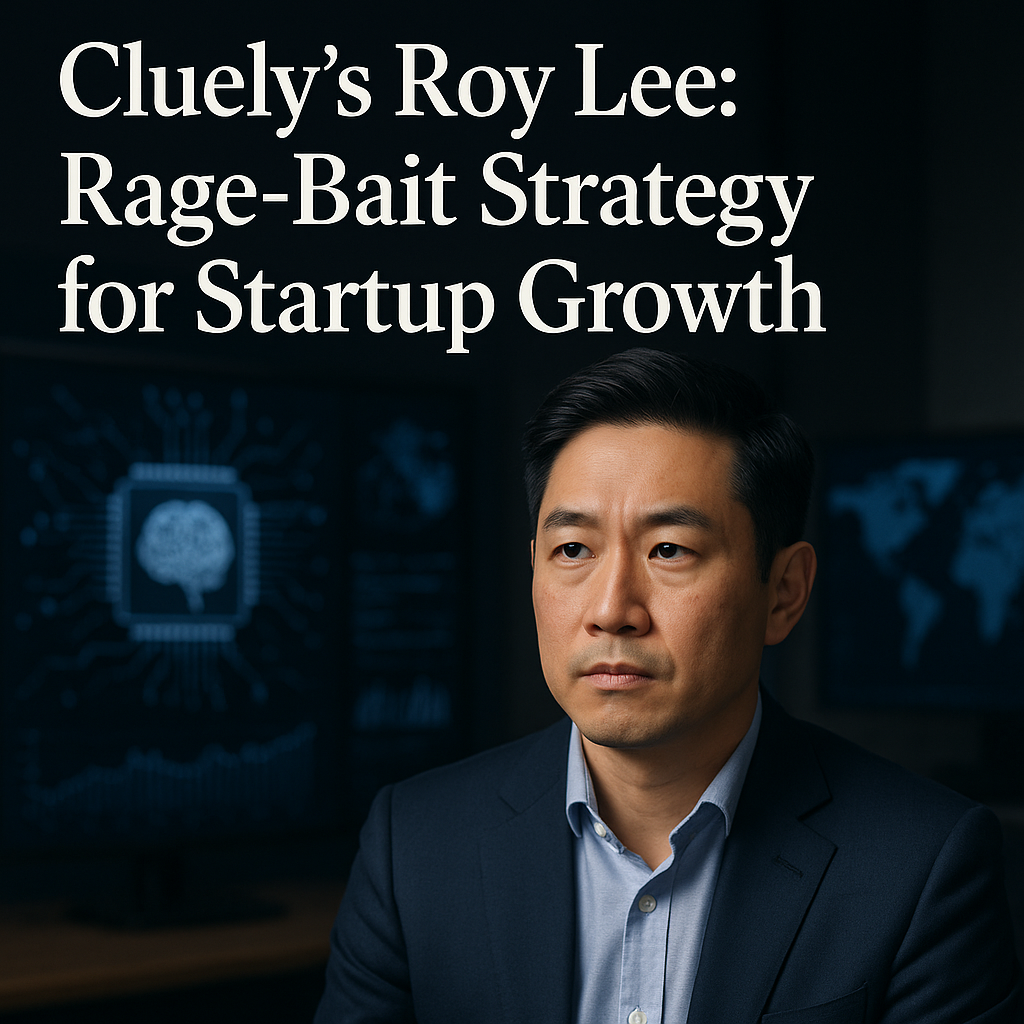
Roy Lee, founder of marketing startup Cluely, has pushed a provocative conversation in 2025 about the deliberate use of “rage-bait” as a growth tactic for early-stage companies. Lee argues that engineered controversy—content designed to trigger strong emotional responses—can accelerate awareness on platforms like X, TikTok and Reddit, but only if used with clear guardrails. The debate has surfaced across marketing circles as startups hunt for high-impact, low-cost channels to stand out in saturated categories.
What Cluely Means by Rage-Bait
Cluely frames rage-bait not as cheap clickbait but as emotionally sharp content that forces people to take a stand. According to Cluely’s public materials and Lee’s writings on the company blog, rage-bait can be an opinionated take, a contrarian product comparison, or a provocative meme that amplifies a core positioning statement. Lee stresses that the goal is not to generate abuse or misinformation, but to create memorable contrast that stimulates debate and engagement.
How the Tactics Play Out Across Platforms
Rage-bait performs differently depending on platform affordances. Short-form video on TikTok and Instagram Reels can magnify visceral reactions via shares and duets. Threads and X escalate polarized commentary through retweets and quote tweets. Reddit can host deeper, long-form contention where narratives consolidate. Cluely’s playbooks emphasize tailoring the creative asset to the network: video for emotional spark, text threads for argued positions, and community-level engagement for sustained debates.
Practical Execution and Safeguards
Lee and his team advise startups to map three safeguards before running rage-bait: (1) a clear positioning statement so controversy reinforces brand meaning, (2) legal and moderation filters to prevent harassment, and (3) performance stop-loss rules to end a campaign if community damage appears. Cluely’s public guidance stresses that early-stage brands should test on small audiences and measure downstream metrics—brand perception, trial conversions, and retention—not only vanity engagement.
Context: Why Founders Consider Rage-Bait
Startups face attention scarcity. With paid channels more expensive and organic reach constrained by algorithmic changes, unconventional tactics return to the foreground. Rage-bait promises fast distribution and intense engagement for minimal media spend. For challenger brands seeking category-defining narratives, engineered controversy can shortcut discovery—if handled ethically and strategically.
Risks, Reputation, and Platform Policy
Experts caution that rage-bait carries outsized reputational risk. Platform moderation rules evolve rapidly: what triggers engagement today can trigger account penalties tomorrow. Brand trust is difficult to rebuild after a misfired campaign. Industry analysts warn that campaigns which generate abusive comments or propagate false information expose startups to legal, regulatory and partnership fallout. Cluely’s materials emphasize a long-term view: short-term virality should be judged against customer lifetime value and partnership prospects.
Industry Reaction and Best Practices
Marketing leaders and agency chiefs have offered mixed assessments. Some growth marketers note that provocative positioning helped challenger brands gain rapid awareness in crowded markets; others say that intentionally stoking anger is not a scalable brand strategy. Best-practice consensus emerging in 2025 includes: align controversy with product truth, monitor conversations in real time, diversify channels, and prepare clear post-viral customer service and PR responses.
Implications for Startups and Investors
For founders, rage-bait is a high-variance lever—potentially transformative but potentially destructive. Investors evaluating growth claims should demand normalized metrics beyond engagement: conversion lift, retention delta, and brand sentiment shifts. Startups that document responsible use-cases, moderation policies and measurable downstream impact are likeliest to win both attention and trust.
Expert Insights and Future Outlook
As platform moderation and audience sophistication increase, rage-bait will likely evolve into more nuanced forms: counterintuitive takes, tightly targeted contrarian messaging, and purpose-driven provocations that anchor to measurable product benefits. Roy Lee and Cluely position rage-bait as a toolbox item—not a default strategy—urging startups in 2025 to apply it only with rigorous ethical and performance frameworks. The broader marketing industry will watch whether such tactics scale responsibly or encourage a feedback loop of outrage-driven content that harms long-term consumer trust.
About the Author