Lede: Who, What, When, Where, Why
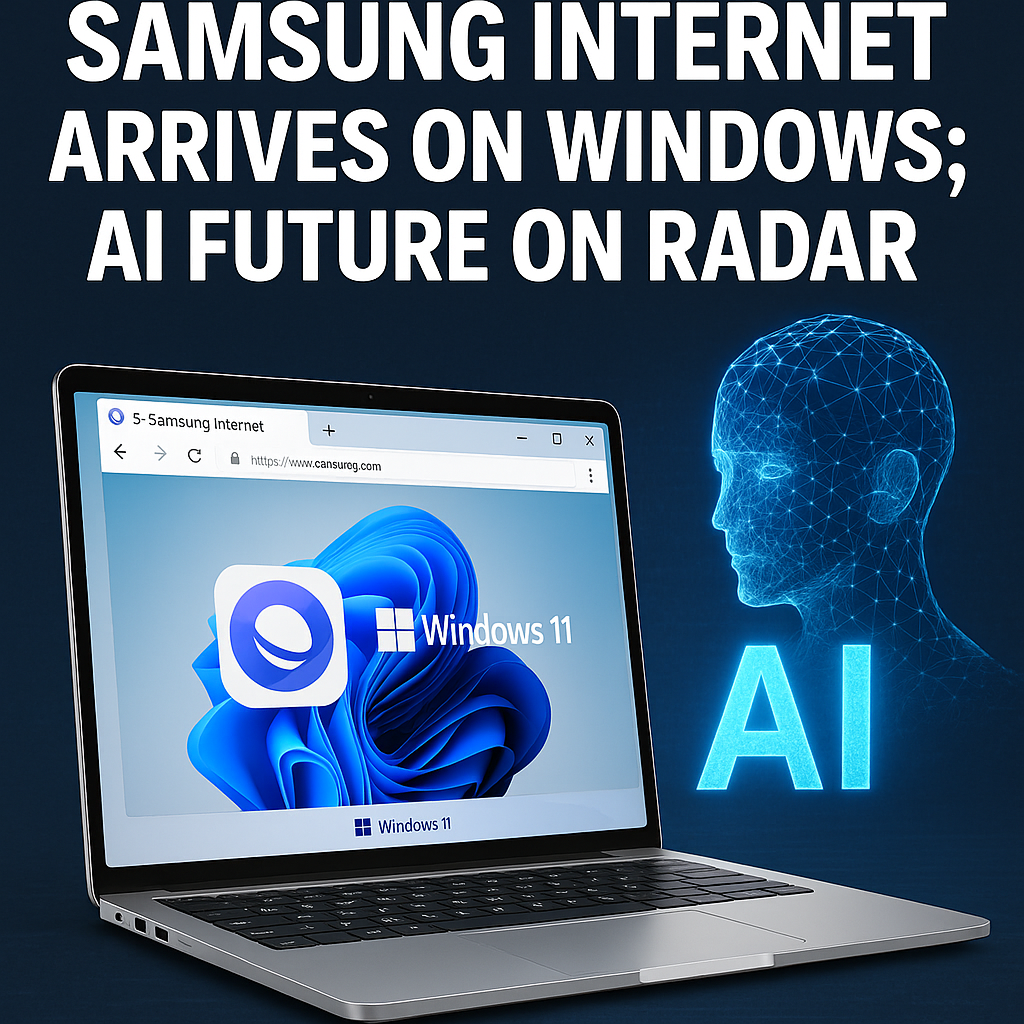
Samsung Electronics has brought its Samsung Internet browser to Windows, opening its mobile-focused browser to desktop users and signaling plans to layer in artificial intelligence over time, Engadget reports. The rollout—aimed at Windows 10 and Windows 11 users via the Microsoft Store—represents a strategic push by Samsung to broaden its software ecosystem beyond Galaxy devices and into the broader PC market.
What the Windows Release Delivers
The Windows build of Samsung Internet is built on Chromium, the same open-source engine that powers Google Chrome and Microsoft Edge, and offers familiar capabilities such as tab management, tracking protection and synced bookmarks with a Samsung account. By launching on Windows, Samsung aims to give users who already rely on the Samsung browser on Android a consistent cross-device experience on the desktop.
Compatibility and availability
According to Engadget’s coverage, the browser is listed for download in the Microsoft Store and supports both Windows 10 and Windows 11. The initial release focuses on parity for core features rather than bundling advanced AI tools on day one—those are slated for later updates as Samsung expands its AI roadmap.
Why Samsung Is Expanding to Windows
For Samsung, which sells hundreds of millions of Galaxy devices annually, extending Samsung Internet to Windows is about two things: ecosystem stickiness and competitive positioning. A stronger Windows presence helps Samsung maintain continuity for users who switch between a Galaxy phone and a Windows PC, and gives it a platform to distribute future services—particularly AI-driven features—directly to desktop users.
Market Context: Browsers, Competition and Opportunity
Chrome dominates the desktop browser market, holding roughly two-thirds of market share on desktops; Edge and Safari follow with smaller slices. That entrenched landscape means any new entrant faces an uphill climb, but Samsung isn’t trying to unseat Chrome overnight. Instead, Samsung Internet’s Windows release pitches convenience for existing Samsung customers and the promise of differentiated privacy and feature choices over time.
Privacy and differentiation
Samsung has historically leaned on privacy and device integration as selling points for Samsung Internet on Galaxy phones—features such as Intelligent Tracking Prevention, a built-in ad blocker API and biometric-protected password sync. On Windows, those controls could appeal to users seeking alternatives to Chrome and Edge without sacrificing Chromium compatibility.
AI: Roadmap and Implications
Engadget’s reporting indicates Samsung is keeping an AI-first vision for future updates rather than shipping heavy generative features immediately. Samsung has been investing heavily in AI across devices, and integrating AI into a desktop browser opens possibilities such as contextual summarization, writing assistance, on-page search agents and cross-device AI continuity between phone and PC.
For enterprises and consumers, browser-level AI could reshape workflows: automatic meeting note generation, faster research synthesis and enhanced accessibility tools. But it also raises privacy and data governance questions—particularly around how prompts, browsing data and local device models are handled.
Analysis: Strategic Risks and Rewards
Bringing Samsung Internet to Windows is low-risk, high-reward. The technical cost is limited by Chromium’s shared engine, and the potential upside is higher user engagement across Samsung’s portfolio. Where Samsung must tread carefully is in data handling: users and regulators are increasingly scrutinizing how AI features use personal data. Samsung will need clear privacy controls and transparent data policies to win trust.
Expert insights and future outlook
Industry observers say Samsung’s move follows a broader trend: device makers turning into services companies, using software to lock in customers across hardware platforms. If Samsung follows through on its AI plans—gradually rolling in assistant-like features and cross-device continuity—it could differentiate Samsung Internet as a privacy-conscious, Samsung-integrated Chromium alternative for power users.
Looking ahead, expect incremental updates: tighter Samsung account synchronization, optional AI features that run locally or with explicit consent, and deeper integration with Galaxy devices. The timeline for major AI capabilities will depend on engineering work and regulatory considerations, but the Windows launch makes it clear Samsung views the browser as a platform for that next phase.
Bottom line: Samsung Internet’s arrival on Windows is less a bid to overthrow market leaders than a strategic expansion to keep Galaxy users inside Samsung’s software ecosystem while setting the stage for AI-driven services that cross phone and PC. How quickly and responsibly Samsung rolls out those AI features will determine whether the browser becomes a compelling alternative or a niche convenience for existing customers.
About the Author