Lede: Who, What, When, Where, Why
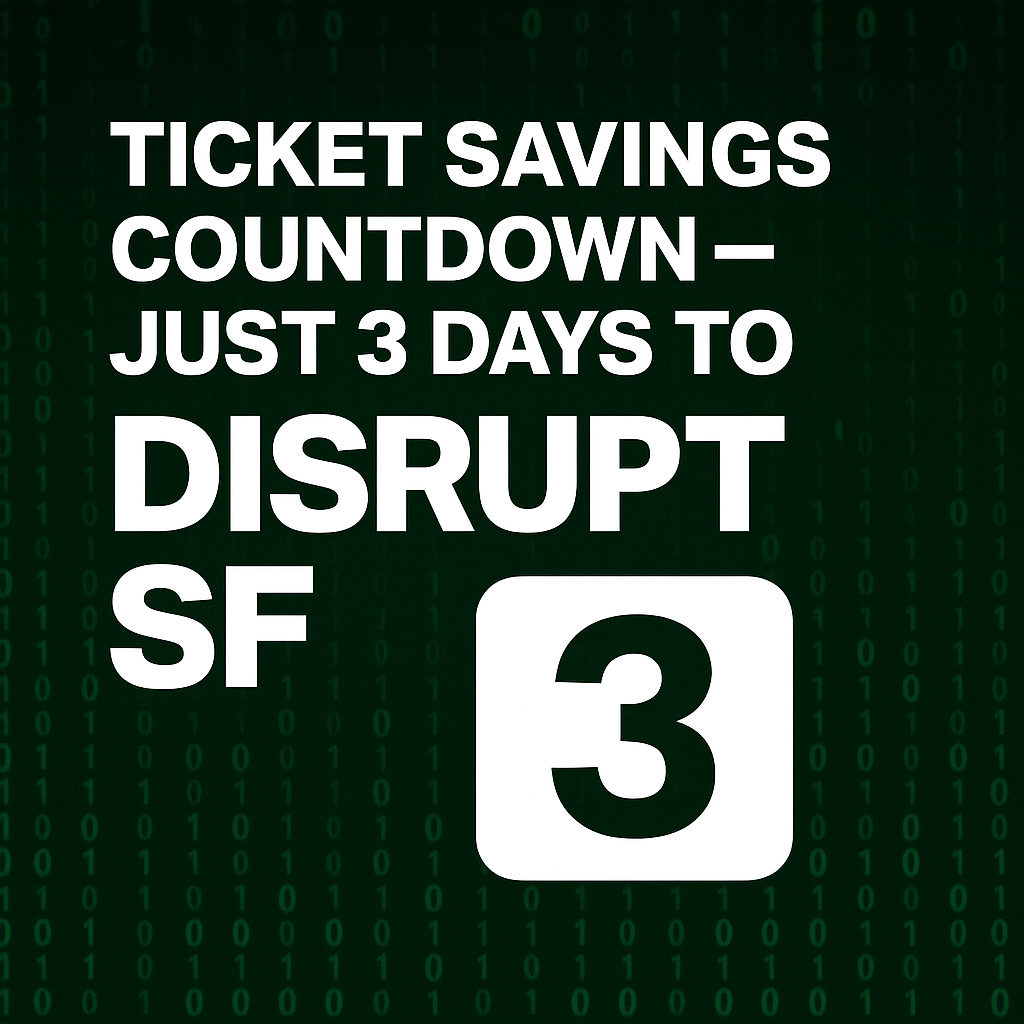
TechCrunch Disrupt 2025 arrives in San Francisco in three days — opening on Oct. 28, 2025 — and organizers are signaling a final ticket savings window that expires before the conference doors open. The annual startup conference, produced by TechCrunch, is expected to concentrate founders, investors and journalists across multiple San Francisco venues as the city ramps up for what many call the industry’s must-attend fall gathering.
Countdown and ticket details
With exactly 72 hours left until the event begins, attendees are being pushed to finalize travel and registration plans. TechCrunch’s event pages typically list multiple ticket tiers including Founder, Pro and Expo-only passes; this year’s promotional messaging emphasizes last-chance savings on limited-availability passes. For startups planning to showcase in Startup Alley or compete in Startup Battlefield, those final registration days often represent the last opportunity to secure discounted exhibiting space and early-stage visibility.
Key programming and named entities
TechCrunch Disrupt remains anchored by signature features: Startup Alley for early-stage companies, Startup Battlefield for competition between high-growth startups, and a keynote lineup that traditionally includes founders, CEOs and investors from leading tech firms. Attendees should expect panels and demos focused on AI infrastructure, developer platforms, climate tech, fintech and generative AI, reflecting 2025’s dominant industry themes. San Francisco institutions, local accelerator programs and venture capital firms typically play active roles throughout the event schedule.
Why this year matters for startups and investors
After a multi-year market reset, Disrupt 2025 provides a concentrated, in-person moment for dealmaking and recruiting. For founders, the final ticket savings are not just a budget consideration: the ability to attend panels, network in Startup Alley, and pitch in front of investors at Startup Battlefield can materially affect fundraising timelines. For VCs and corporate scouts, the condensed calendar of demos and meetings helps accelerate sourcing cycles ahead of year-end investment plans.
Local economic and ecosystem impact
San Francisco’s tech ecosystem routinely benefits from high-profile conferences. Hotels, restaurants and co-working spaces see increased short-term demand, while local accelerators often host satellite events to coincide with Disrupt. The conference’s return to in-person scale after pandemic-related shifts contributes to hiring momentum and regional visibility for participating startups.
Strategic tips for last-minute registrants
Practically speaking, founders and attendees still weighing the trip should prioritize which sessions and networking formats will deliver the highest ROI. Book meetings in advance with investors and partners, reserve demo slots in Startup Alley, and plan for media outreach if visibility is a priority. For exhibitors, shipping and setup timelines in San Francisco venues tend to tighten in the final 48 hours, so confirm logistics and booth materials immediately after registering.
Context, implications and market signals
TechCrunch Disrupt is often read as a barometer for startup sentiment. High attendance and a packed Startup Battlefield indicate renewed founder confidence and deal activity, while a quieter floor can signal continuing funding caution. This year, panels on AI and platform infrastructure will likely highlight where capital and talent are flowing in late 2025. Observers will watch investor presence closely; the balance of seed-stage versus growth-stage VCs on the floor will provide clues about short-term fundraising dynamics.
Expert insights and future outlook
Industry analysts expect that Disrupt 2025 will emphasize pragmatic AI applications and developer tools that support scalable business models. For founders, the immediate takeaway is tactical: act now to lock in ticket savings and secure visibility. For investors and ecosystem players, the event offers an efficient way to assess pipeline quality before year-end portfolio decisions. As San Francisco transforms into a startup city for the week, the decisions made on those showroom floors and in back-to-back meetings will influence funding momentum through Q1 2026.
About the Author