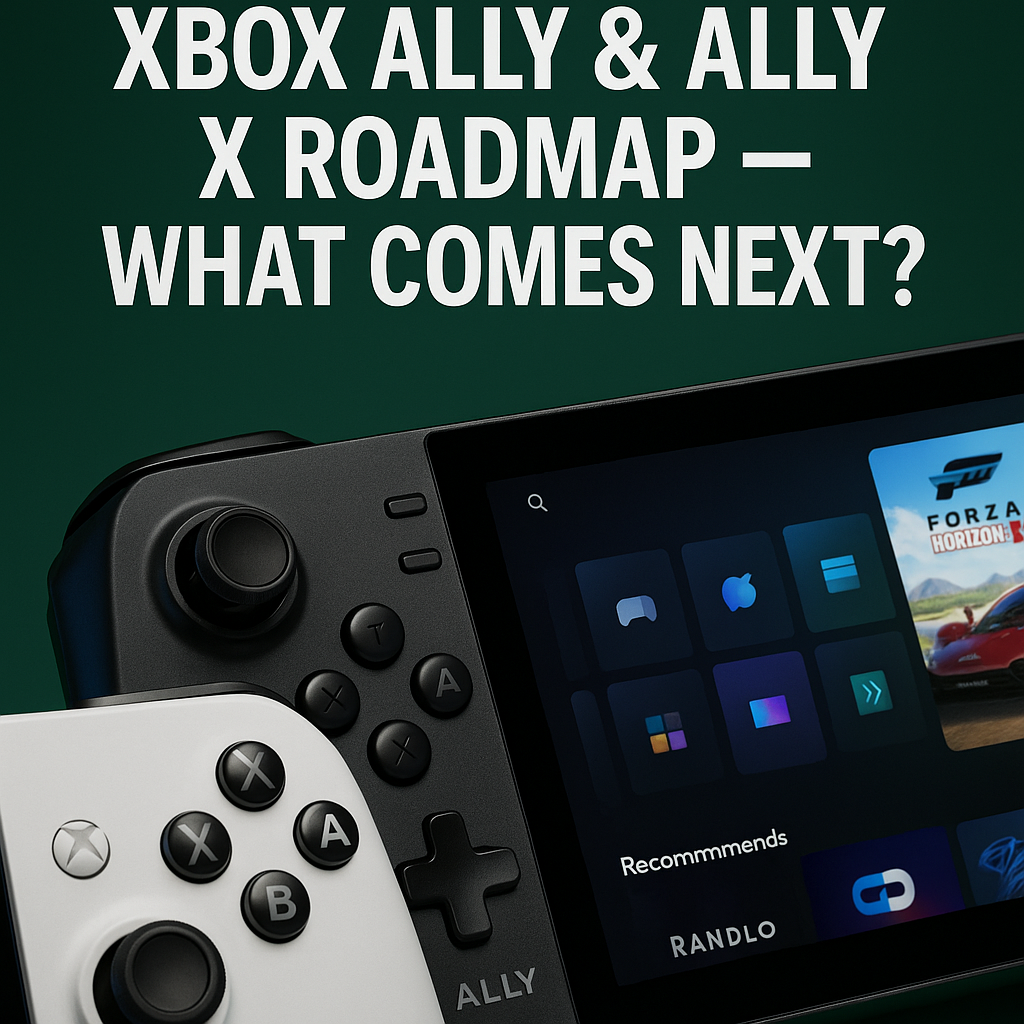
Microsoft’s rumored handheld ambitions, often referred to as Xbox Ally and Xbox Ally X, have reignited debate over the future of portable console gaming. Windows Central reporting and multiple industry leaks suggest Microsoft is exploring a two-pronged hardware approach: a cloud-first, power-efficient Ally and a higher-end Ally X that blends local performance with streaming. What follows is an evidence-based look at the likely roadmap, and how technology, AI, blockchain, startups, funding and geopolitics will shape what comes next.
Hardware roadmap: two SKUs, focused on streaming and hybrid play
Current reporting points to two distinct models: an entry-tier Xbox Ally optimized for Xbox Cloud Gaming (xCloud) and subscription play, and an Ally X that offers stronger local compute for more demanding PC/console ports. This mirrors market segmentation seen with devices like Valve’s Steam Deck and competitors from AYANEO and GPD: one model targets affordability and battery life, the other targets raw performance.
Microsoft’s likely priorities are battery life, thermals, controller ergonomics, and fast wireless connectivity (Wi‑Fi 6/6E or better and low-latency radios for cloud play). Rather than chasing high-end PC specs, Microsoft can leverage its cloud-first strategy to deliver premium experiences on modest handheld silicon, keeping costs and weight down.
Cloud, AI and software integration
Xbox’s biggest differentiator is its cloud ecosystem. Game Pass and xCloud mean the company can optimize experiences across a range of devices. AI will be central: edge and cloud AI can reduce perceived latency with predictive input, frame interpolation and real-time bitrate optimization. Microsoft can also integrate Azure AI services for dynamic upscaling, network-aware streaming, and personalized recommendations within the handheld UI.
These software-led advantages reduce pressure on local hardware, letting Microsoft focus on a smooth, subscription-driven model where new features roll out server-side rather than via hardware refreshes.
Blockchain, digital ownership and cautious adoption
Blockchain and web3 have generated buzz but limited mainstream traction in console gaming. Microsoft has historically taken a conservative stance toward NFTs and tokenization for consumer gaming. If blockchain appears in the Ally roadmap, expect narrow, optional features—digital collectibles or backend identity systems—rather than core gameplay mechanics. Regulatory scrutiny and consumer sentiment will make broad blockchain integration unlikely in early launches.
Startups, partners and funding dynamics
Hardware startups such as AYANEO and others have shown strong demand for handheld PC gaming. Microsoft could partner with OEMs rather than manufacturing everything in-house, leveraging existing supply chains and specialist design teams. Financially, Microsoft is positioned to fund hardware development and subsidize devices via Game Pass bundles, making an Ally launch viable without deep standalone device margins.
Geopolitics and supply chain risks
Semiconductor geopolitics remain the wild card. US export controls, Chinese domestic competitiveness and global silicon shortages can affect component availability and pricing. Microsoft’s supplier choices—Qualcomm, AMD, or other silicon partners—will be influenced by these macro factors, potentially shaping the timing and SKU availability of Ally hardware worldwide.
Conclusion: iterative launches with cloud-first DNA
The most plausible roadmap for Xbox Ally and Ally X is iterative: start with a cloud-first Ally to test market demand, followed by a hybrid Ally X for enthusiasts. Success hinges less on raw handheld specs and more on Microsoft’s ability to marry Game Pass, low-latency cloud streaming, and AI-driven features. Blockchain remains a niche possibility, while startups and OEM partners will influence design and go-to-market speed. Finally, geopolitical supply constraints could determine which regions and price tiers get priority. For gamers and investors, the story is not just hardware — it’s whether Microsoft can turn a handheld into another entry point for its services-driven business model.
About the Author