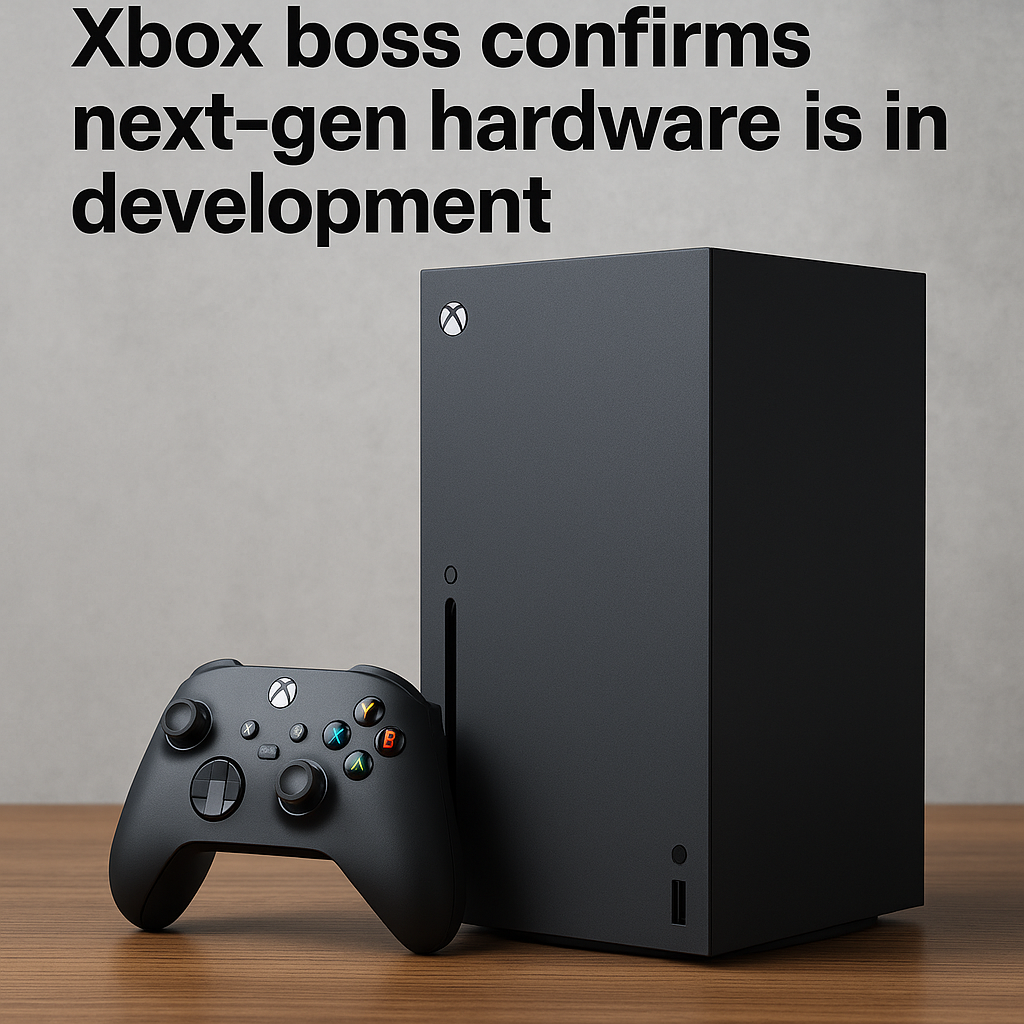
Xbox boss Phil Spencer has confirmed that Microsoft is developing next‑generation Xbox hardware, according to reporting by GamesIndustry.biz. The announcement signals a continuation of the traditional console hardware cycle while highlighting how modern consoles will increasingly be shaped by cloud services, AI, supply chain realities and global geopolitics.
Spencer’s comment, while deliberately light on technical detail and release timing, underlines a key strategic reality: major platform holders still see value in bespoke silicon and local compute even as cloud gaming and subscription services grow. For Microsoft, which has invested heavily in Azure cloud services and a partnership with OpenAI, a next‑gen device will likely be designed as part of a broader ecosystem that blends local performance with distributed AI and cloud functionality.
Hardware meets cloud and AI
Expectations are that next‑gen Xbox hardware will not only pursue higher raw graphics performance but also tighter integration with cloud compute and AI accelerators. Microsoft has already made significant bets on cloud gaming through Xbox Cloud Gaming (xCloud) and on AI through multi‑billion dollar investments and a close partnership with OpenAI. Those investments create technical and commercial incentives to build consoles that can offload AI tasks or deeply integrate with Azure edge services for streaming, social features and real‑time content generation.
AI could be used for dynamic in‑game content, smarter NPCs, accessibility features and improved upscaling, while local silicon might include specialized accelerators for machine learning inference. That architecture would mirror trends in the mobile and PC markets where system‑on‑chip (SoC) designs increasingly combine CPU, GPU and neural processing units on a single die.
Semiconductors, startups and funding
Any next‑gen console faces the realities of a constrained semiconductor supply chain and high development costs. The console business historically drives substantial component orders, which benefits chipmakers and their foundry partners, but geopolitical tensions and export controls have complicated sourcing of advanced nodes. Investors and startups are responding: there has been a surge of funding for AI chip startups and boutique silicon houses that promise domain‑specific accelerators tailored to gaming and inference workloads.
Microsoft itself is an active strategic investor and acquirer in the gaming and tech startup ecosystem. Its $68.7bn acquisition of Activision Blizzard, completed in 2023, expanded Xbox’s content portfolio and emphasizes the companys willingness to back hardware with exclusive software and services. Meanwhile, third‑party hardware and accessory startups may see opportunity in complementary products, modding ecosystems and services that extend a next‑gen console’s capabilities.
Geopolitics and regulatory context
Geopolitical dynamics will shape design and supply decisions. US‑led restrictions on advanced semiconductor exports, tensions with China, and incentives for domestic chipmaking are shifting supply chains. Console makers must navigate these policies while balancing cost and performance, a factor that could influence timing and component choices for next‑gen devices. Regulators have also taken a more active stance on competition and acquisitions, which can affect platform strategies and content licensing.
Blockchain and gaming monetization
While blockchain games and NFTs have attracted startup funding, console platform holders have been cautious. Xbox has not signaled a major pivot to blockchain‑native features, and platform policy, user experience and regulatory scrutiny make deep integration uncertain. Instead, Microsoft appears likely to prioritize cloud, AI and traditional content investments that align with broad consumer expectations.
Conclusion: Phil Spencer’s confirmation that next‑gen hardware is in development is a reminder that consoles remain central to console makers’ playbooks. But the next generation will likely be as much about software, cloud services, AI and geopolitical supply chains as it is about teraflops. For startups, investors and chipmakers, that mix presents both technical challenges and commercial opportunities as the industry prepares for another hardware cycle intertwined with the accelerating wave of AI and cloud innovation.
About the Author